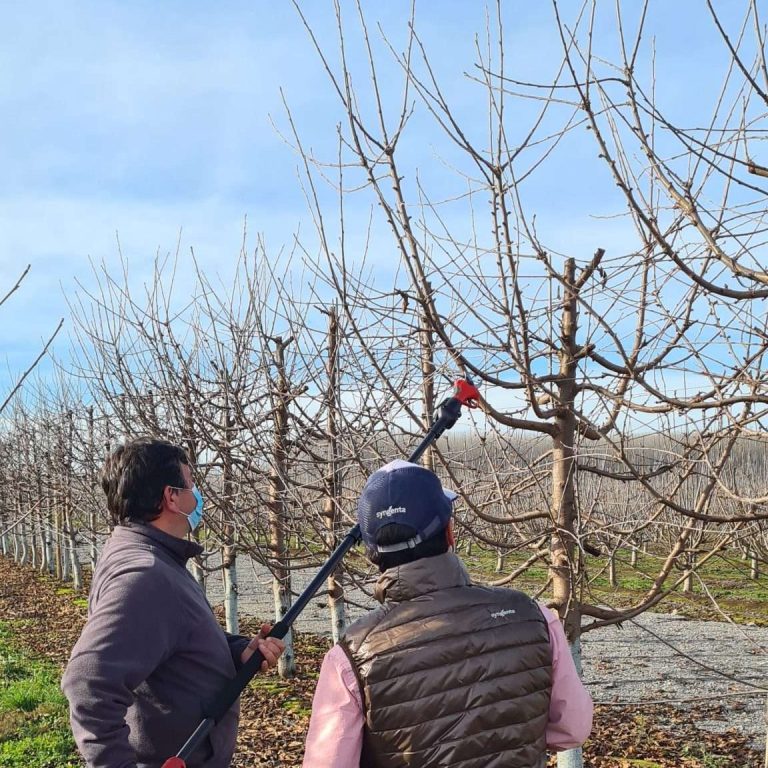
How to Prune an Apple Tree
Learn how to prune an apple tree: pruning is an important practice to ensure high yields and good fruit quality. This post examines specific apple tree pruning methods based on best agricultural practices from regions with proven experience in this field.
Why is it Important to Know How to Prune an Apple Tree?
Regular pruning of the apple tree and knowing how to prune it is crucial not only for healthy tree growth but also to improve the quality and quantity of fruit. The main benefits of proper pruning include:
- Better air circulation: reduces the risk of fungal diseases.
- Increased sunlight penetration: promotes photosynthesis and the development of higher-quality fruit.
- Growth control: makes it easier to manage the tree and harvest the fruit.
- Stimulates fruiting: encourages the formation of fruit-bearing shoots.
- SEASON: this pruning is done between November and April.
Specific Pruning Methods for Apple Trees
Training Pruning
During the first years of the apple tree’s life, it’s essential to establish a strong, well-formed structure. Here are the key steps:
- First year: Select a main branch (central leader) and remove competing branches. Leave lateral branches evenly spaced around the trunk.
- Second and third years: Continue shaping the tree by removing branches growing inward and those competing with the central leader.
- SEASON: this pruning is done between November and April.
Maintenance Pruning
Once the tree has reached the desired shape, it’s important to perform annual maintenance pruning to encourage consistent, high-quality production:
- Remove dead or diseased branches: This helps prevent the spread of diseases.
- Remove water sprouts: These are vigorous vertical shoots that do not bear fruit.
- Thin crossing branches: Crossing branches can cause wounds and allow diseases to enter.
- Thin fruiting shoots: To avoid overloading the tree and ensure larger, higher-quality fruit, remove some fruiting shoots and leave enough space for the remaining ones.
Rejuvenation Pruning
For old or neglected trees, rejuvenation pruning can revitalize them and improve fruit production:
- Cut major branches: Remove some of the older, less productive branches to encourage the growth of new shoots.
- Reduce the canopy: Lower the height and spread of the canopy to improve light and air penetration.
- SEASON: this pruning is done between November and April.
Recommended Tools for Apple Tree Pruning
To carry out effective and safe pruning, it’s essential to use high-quality tools. ALTUNA offers a range of tools designed to meet all pruning needs:
- Bypass Pruning Shears: Ideal for precise cuts on small and medium branches.
- Folding Saws: Perfect for thicker branches, easy to carry and store.
- Electric Chainsaws: Small, lightweight, and easy-to-handle chainsaws. Can be attached to poles for high pruning. See Altuna AB200 chainsaw.
- Telescopic Pruners: To reach high branches without a ladder, adjustable to the required height.
- Sharpeners and Spare Parts: Keep your tools in optimal condition to ensure clean and efficient cuts.
Practical Tips to Learn How to Prune an Apple Tree
- Prune in winter: During the tree’s dormancy, it’s the best time to prune and minimize stress.
- Disinfect your tools: It’s important to disinfect your tools before and after each pruning session to prevent the spread of diseases.
- Don’t over-prune: Excessive pruning can weaken the tree and reduce fruit production.
Now We Know That…
Apple tree pruning is a technique that, when done correctly, can transform the productivity and quality of your orchard. With the right tools from ALTUNA and a clear understanding of pruning methods, you can ensure a healthy and abundant harvest year after year. Start pruning today and enjoy the benefits of high-quality apple production!